
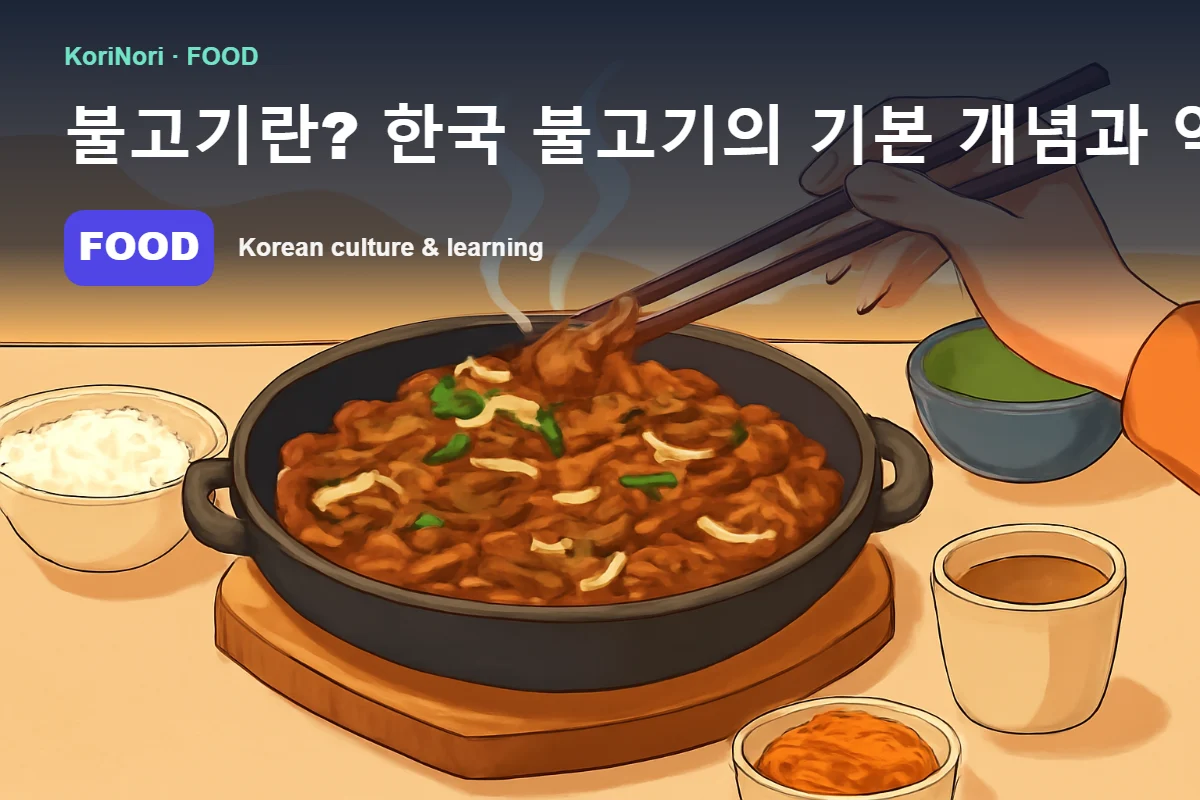
What is Bulgogi? Basic Concepts and History of Korean Bulgogi
Bulgogi is one of Korea’s most iconic and well-known dishes. It consists of tender, thinly sliced beef marinated in a sweet and savory mixture, then grilled quickly over charcoal or in a pan. Today, we will explore what bulgogi means, its history, and the important position it holds in Korean food culture.
1. The Basic Concept of Bulgogi
The word “bulgogi” (불고기) literally means “fire meat” or “meat grilled over fire.” Typically, thin slices of beef are used. The meat is marinated in a mixture including soy sauce, sugar, garlic, sesame oil, and pepper to add sweetness and umami. Thanks to this marinade, bulgogi is known for its tender texture and sweet flavor. Grilling it over charcoal or in a pan gives it a distinctive aroma and taste.
2. The History of Bulgogi
Bulgogi traces its origins back to the Joseon Dynasty. Rather than through official documents, it has mainly been passed down through oral tradition and within families. In the Korean peninsula, with its developed meat-eating culture and agricultural technology, bulgogi became a staple for holidays and festive occasions.
Regional variations existed, with soy sauce-based marinades common around Seoul and Gyeonggi Province, while southern regions sometimes incorporated spicy red pepper paste (gochujang). In modern times, bulgogi has gained popularity abroad as a representative Korean dish, increasingly introduced during the Korean food wave in countries like the United States and the United Kingdom.
3. Bulgogi’s Place in Korean Food Culture
Bulgogi is enjoyed both in daily Korean meals and on special occasions. It often appears as a traditional festive dish or as a main meat dish at family gatherings. Moreover, bulgogi is recognized worldwide as a representative Korean menu item featured frequently in Korean restaurants and cooking shows abroad, playing a vital role in the globalization of Korean cuisine.
Popular Side Dishes Served with Bulgogi
- Kimchi: Its spicy and tangy flavors complement the sweet taste of bulgogi well.
- Leafy greens like lettuce or perilla leaves: Used to wrap the meat, adding freshness.
- Rice: Typically white rice is served alongside to enhance the flavor of the marinated meat.
4. Conclusion and Future Learning Topics
Today, we have understood the fundamental meaning and history of bulgogi, appreciating its value and significance. Moving forward, we will explore various Korean dishes, traditional foods, and regional characteristics of each cuisine.
Bulgogi represents the culture and taste of Korea, so be sure to experience it as you continue learning about the diverse aspects of Korean cuisine.
🎧 Native Korean Pronunciation
Listen to a native Korean speaker and repeat each item slowly.
불고기는 불에 구운 고기라는 뜻입니다.
불고기는 얇게 썬 소고기를 양념에 재워서 구워 먹는 음식입니다.
불고기는 한국의 대표적인 전통 음식입니다.
1 thought on “Bulgogi: Korean Grilled Beef Dish and Its History”
Comments are closed.