
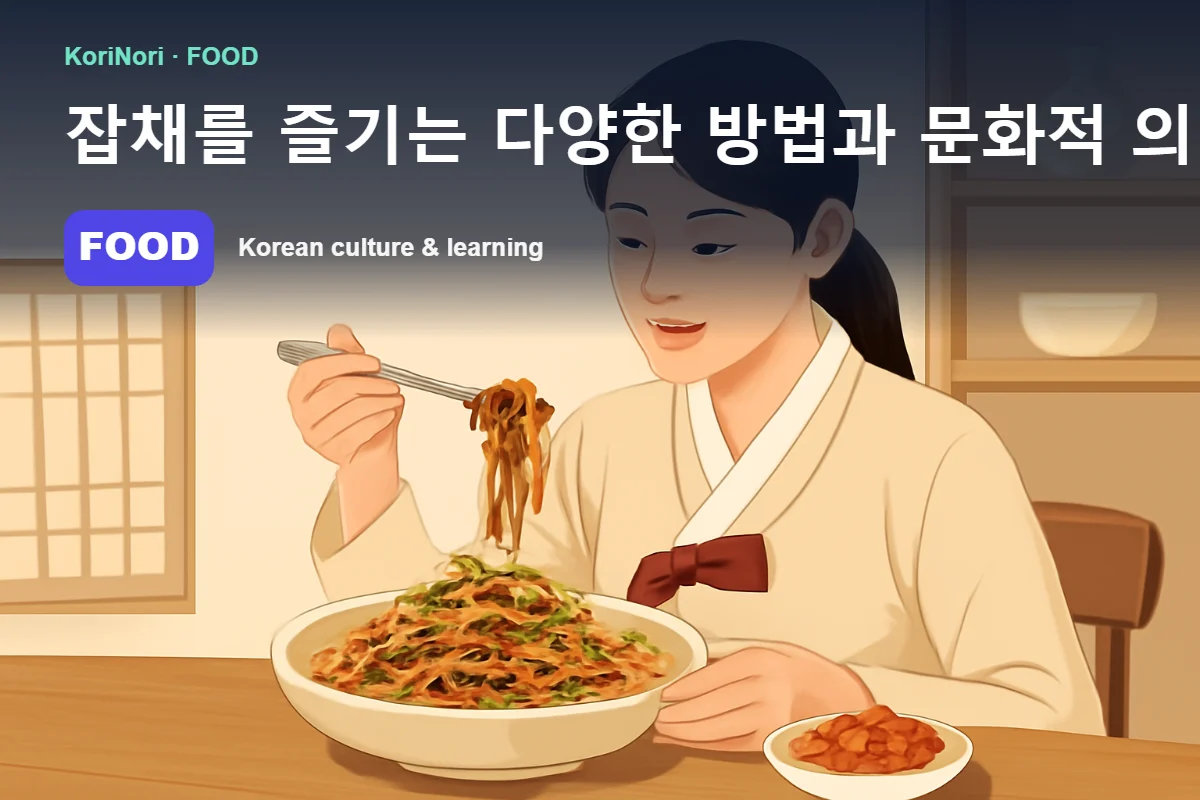
Japchae is one of the representative traditional Korean dishes with a long history. Beyond being simply a delicious side dish, japchae has played an important role in Korean holidays, celebrations, and special gatherings. This article explores the traditional occasions where japchae is consumed as well as the diverse ways it is enjoyed today.
Traditional Meaning of Japchae
Japchae is an indispensable dish during holidays and family or relative celebrations. For example, on major holidays like Lunar New Year and Chuseok, japchae appears as one of many side dishes on the table and is considered a key food symbolizing these festivities.
As a celebratory dish, japchae carries an atmosphere of specialness and celebration. At weddings, 60th birthday parties, and first birthday parties, japchae is part of a rich and carefully prepared meal that expresses the joy shared by everyone present.
Japchae at Holidays and Celebrations
- Holidays: Food shared among families gathering during traditional Korean holidays such as Lunar New Year and Chuseok.
- Celebrations: Served mainly to commemorate important personal milestones and festive occasions.
Modern Ways to Enjoy Japchae
Recently, the culture of enjoying japchae has expanded beyond holidays and celebrations into everyday life. It is prepared simply at home as a side dish or included in lunchboxes, and many Korean restaurants worldwide serve japchae as a special menu item during events, increasing its global recognition.
Thus, japchae is a dish that blends tradition and modernity. Using a variety of ingredients and cooking methods, it can be enjoyed according to personal tastes and enriches precious moments shared with family and friends.
Japchae as a Side Dish
Japchae is very popular as a side dish eaten with rice. Its soft and sweet flavor blend makes it a favorite among people of all ages, from children to the elderly.
Cultural Significance of Japchae
More than just a dish, japchae symbolizes the Korean sense of community and family-centered culture. Just as people gather to share food during holidays and celebrations, japchae serves as a bridge connecting people.
Because of this, japchae embodies the meaning of “togetherness” and is an important food to understand the cultural value of Korean cuisine.
Conclusion
Japchae has been loved traditionally as an important dish during holidays and celebrations and is now enjoyed in various ways in daily life. Understanding the cultural significance of japchae deepens interest and affection toward Korean food culture. We encourage you to continue experiencing the richness of Korean culture through traditional foods like japchae.
Related KoriNori lessons
🎧 Native Korean Pronunciation
Listen to a native Korean speaker and repeat each item slowly.
명절
잔치
반찬
1 thought on “Various Ways to Enjoy Japchae and Its Cultural Significance”