How Korean Syllable Blocks Work
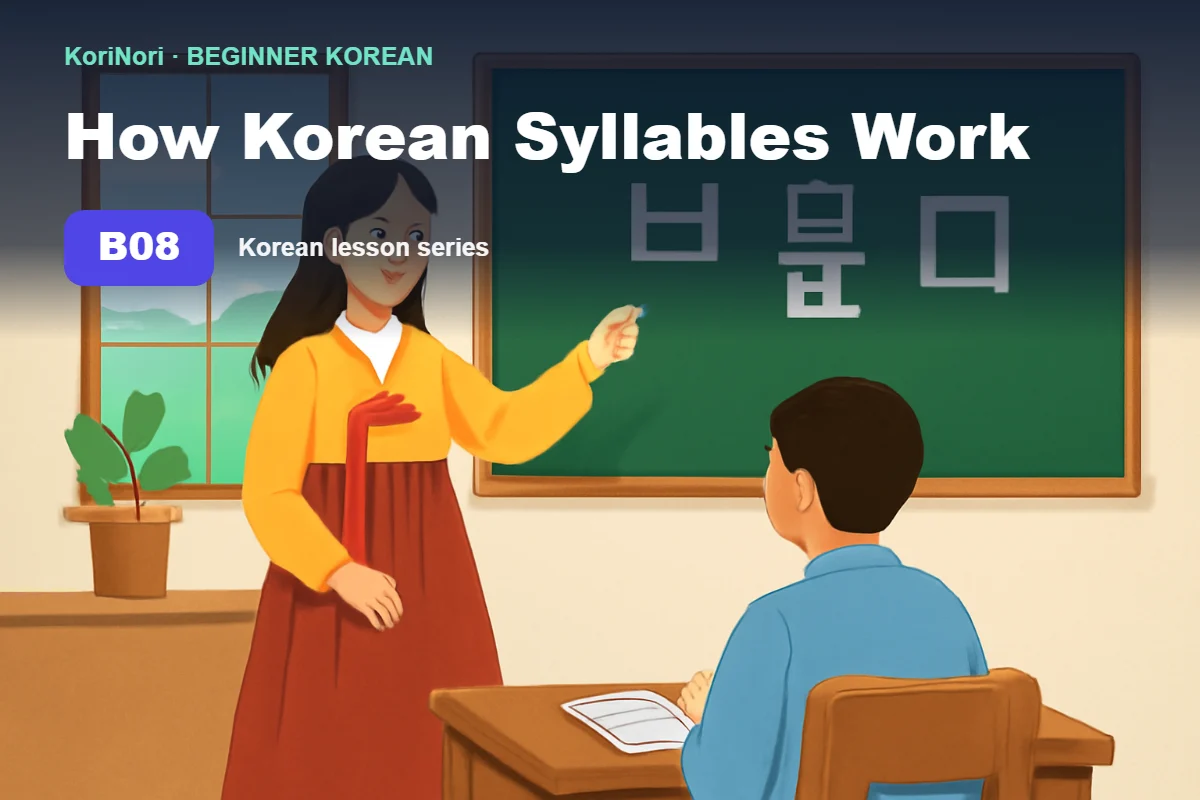
Understand how Korean syllable blocks are formed by combining initial consonants, vowels, and optional final consonants into one square block representing a single syllable.

 ONEFLOW
Understand how Korean syllable blocks are formed by combining initial consonants, vowels, and optional final consonants into one square block representing a single syllable.

Bulgogi is one of Korea’s most famous dishes, featuring tender meat marinated in a sweet sauce and quickly grilled over charcoal or in a pan. This article explores bulgogi’s definition, history, and its role in Korean food culture in detail.
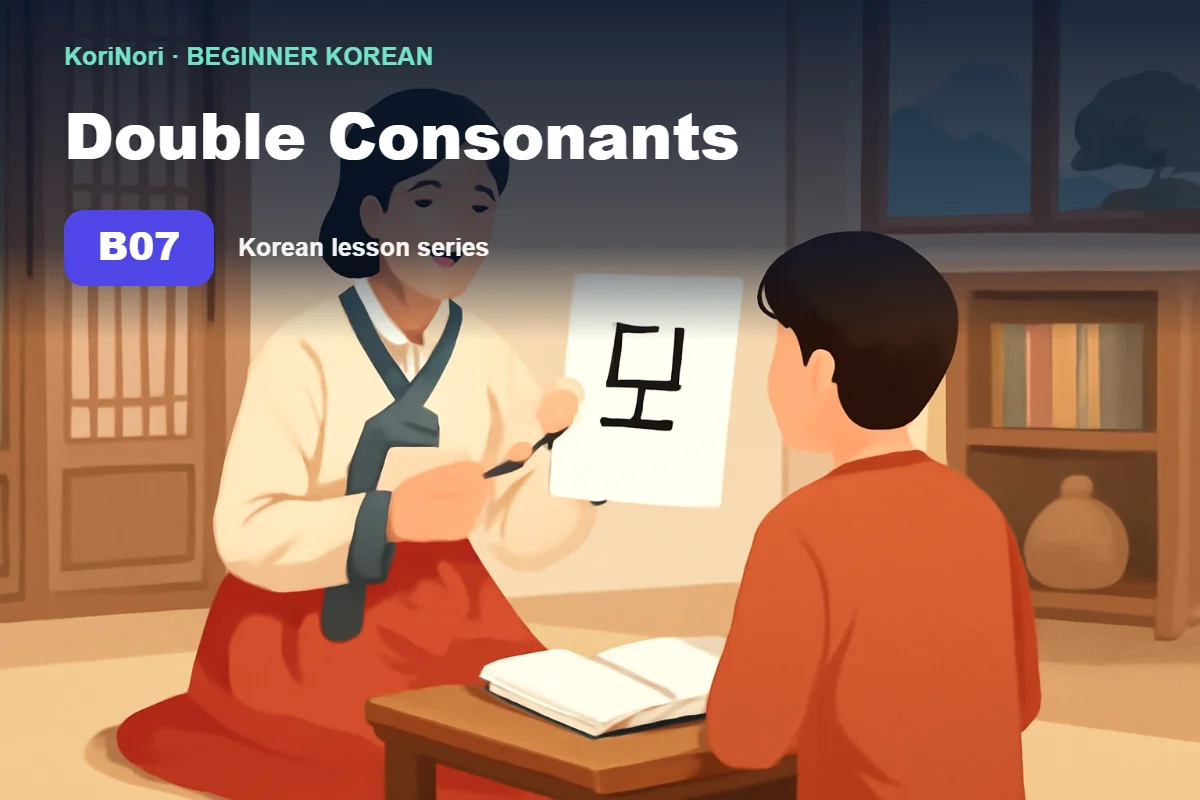
This lesson introduces the Korean double consonants, a set of five tense sounds ㄲ, ㄸ, ㅃ, ㅆ, ㅉ, explaining how they differ from regular consonants with increased muscular tension for clearer pronunciation.
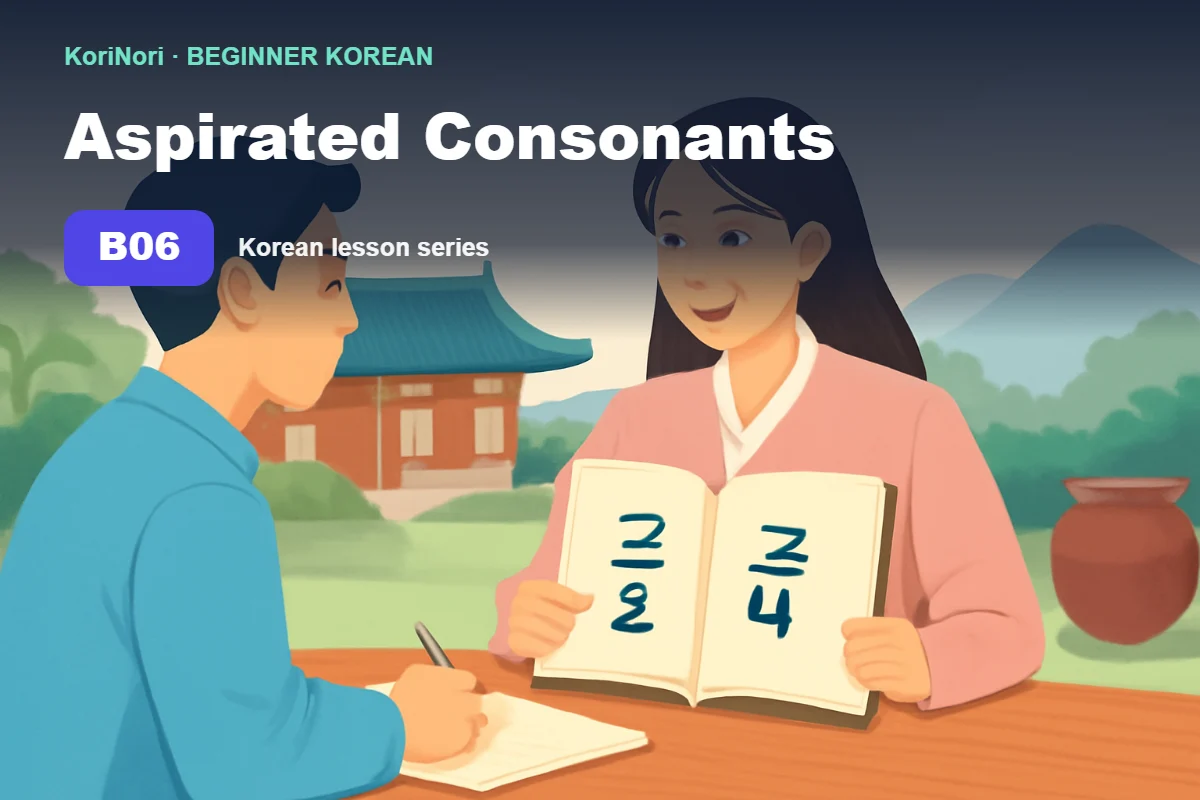
Discover and practice the Korean aspirated consonants ㅋ, ㅌ, ㅍ, ㅊ, focusing on their strong breathy sound and pronunciation differences from plain consonants.

HWASA’s solo song “Maria” showcases her unique voice and powerful stage presence. This article helps you learn meaningful Korean expressions from the song, complete with pronunciation and example sentences.
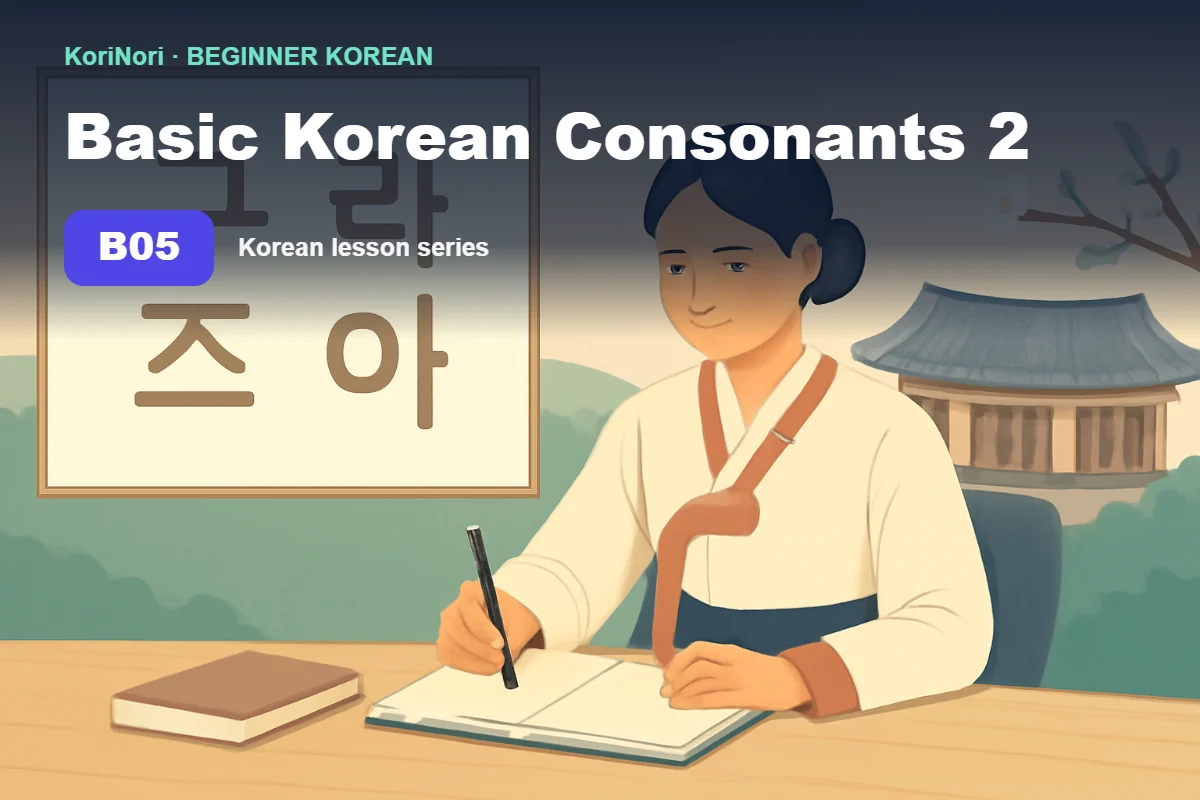
Discover five essential Korean consonants ㅂ, ㅅ, ㅇ, ㅈ, and ㅎ, and practice combining them with basic vowels to enhance your Hangul reading skills.
This lesson introduces the five basic Korean consonants ㄱ, ㄴ, ㄷ, ㄹ, and ㅁ, and explains how to combine them with vowels to form syllables and read Korean words.
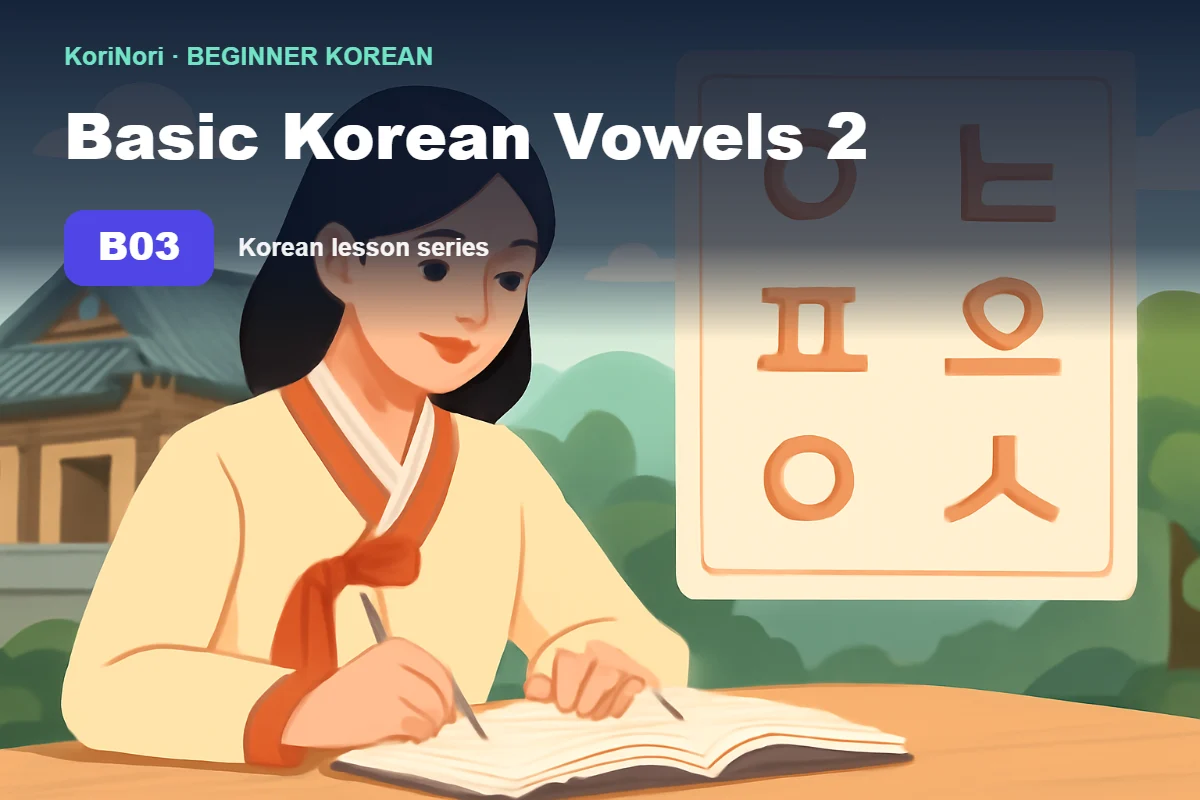
Learn the second set of basic Korean vowels including the ‘y’ series ㅑ, ㅕ, ㅛ, ㅠ and the similar sounding vowels ㅐ, ㅔ. Detailed explanations and practice for clear reading and distinction.
This lesson introduces the six basic Korean vowels ㅏ, ㅓ, ㅗ, ㅜ, ㅡ, and ㅣ, describing their mouth shapes and sounds to help beginners accurately distinguish and pronounce them.
Begin your Korean learning journey by understanding Hangul—the unique written system where consonants and vowels combine into syllable blocks. This article covers the fundamentals, including consonants, vowels, and the way they join to form syllables.